
TTC Tips for Beginners in Hong Kong: A Practical Guide to Starting Your Journey


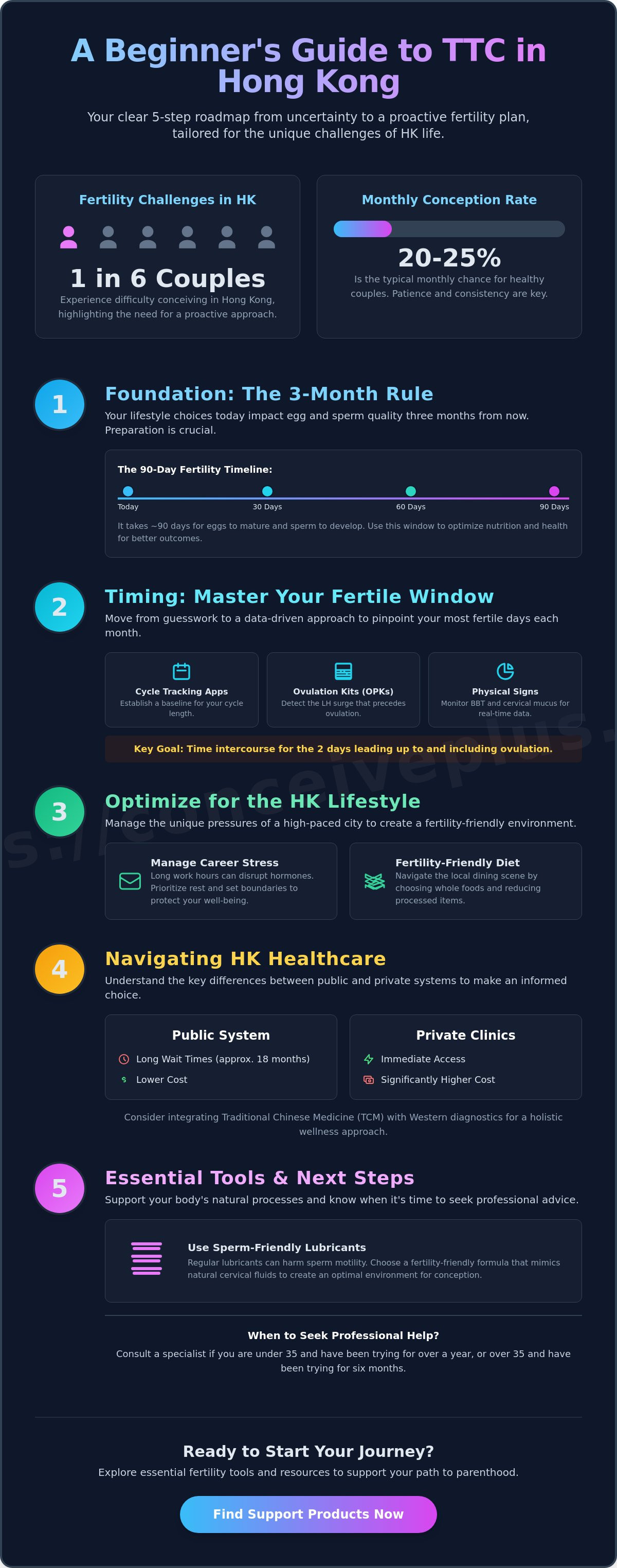
Did you know that 1 in 6 couples in Hong Kong experiences difficulty conceiving, even as the city's fertility rate dropped to a record low of 0.8 in 2025? If you're feeling overwhelmed by the pressure of starting a family in one of the world's most expensive and high-paced cities, you aren't alone. Finding reliable TTC tips for beginners in Hong Kong is the first step toward cutting through the noise of demanding work cultures and complex medical options.
We understand that the choice between an 18-month wait in the public system and the high costs of private clinics feels daunting. It's also difficult to know whether to prioritize Western diagnostic tests or local wellness traditions like TCM. This guide promises to simplify your journey by bridging the gap between clinical precision and urban lifestyle management. You'll learn a clear five-step plan to prepare your body, navigate local healthcare regulations, and recognize exactly when it's time to seek professional help.
Key Takeaways
- Learn a structured 5-step roadmap that simplifies TTC tips for beginners in Hong Kong, helping you move from confusion to a clear plan of action.
- Discover how to pinpoint your fertile window using cycle tracking and digital tools to maximize your chances of success each month.
- Find practical ways to manage high-pressure career stress and navigate the local dining scene while maintaining a fertility-friendly diet.
- Understand the critical differences between public and private healthcare routes and how to safely integrate Traditional Chinese Medicine with Western diagnostics.
- Identify the essential tools, such as sperm-friendly lubricants, that support your body's natural processes during the conception phase.
Understanding the TTC Landscape for Hong Kong Beginners
Trying to Conceive (TTC) is the active process of attempting to get pregnant. For many couples living in our fast-paced city, this phase often begins after years of building a career or securing a home. If you're looking for TTC tips for beginners in Hong Kong, it's vital to recognize that your environment plays a massive role. The city's hustle culture creates unique hurdles, from long office hours to high stress levels that can disrupt your hormonal balance.
Success starts with a shift in mindset. Instead of viewing conception as just another task on a to-do list, see it as a holistic health goal. Gaining a solid foundation in Understanding Fertility allows you to approach the process with science rather than just hope. In a city where 80% of residents point to work commitments as a barrier to parenthood, mental readiness is just as critical as physical health. You need to carve out space for this journey amidst the noise of the city.
To better understand the local environment and how it shapes daily life, watch this helpful video:
The "Three-Month Rule" for Egg and Sperm Health
Biology doesn't happen overnight. It takes approximately 90 days for an egg to mature before ovulation and about the same time for sperm to develop. This means the lifestyle choices you make today, like your diet or supplement intake, won't fully impact your fertility until three months from now. Many beginners find that using specialized fertility bundles during this 90-day window helps provide the essential nutrients needed for optimal reproductive health. Starting your prep work early ensures that when you begin active tracking, your body is already in its best possible state.
Setting Realistic Expectations in HK
Local clinics often use the term "advanced maternal age" for women over 35, which can feel discouraging. It's helpful to look at the actual data instead of the labels. While 1 in 6 couples in Hong Kong faces fertility challenges, most healthy couples have about a 20% to 25% chance of conceiving each month. Don't let the clinical terms or the pressure of peers dictate your stress levels. Open communication with your partner about the timeline and potential medical costs is one of the best TTC tips for beginners in Hong Kong. It keeps you both on the same page while you navigate the city's competitive atmosphere.
Mastering Your Fertile Window: Tracking and Timing
Timing sex shouldn't be a guessing game. For many couples, the biggest hurdle to conception isn't a medical issue but simply missing the narrow window of opportunity each month. If you're searching for TTC tips for beginners in Hong Kong, moving from "random chance" to data-driven tracking is the most effective change you can make. It starts with identifying the average length of your menstrual cycle, as this varies significantly from woman to woman.
Once you've established your cycle's rhythm, you can use an ovulation calculator to predict your most fertile days. While digital tools provide a great baseline, pairing them with physical symptoms offers the best results. Monitoring your Basal Body Temperature (BBT) or observing changes in cervical mucus provides real-time data about your hormonal shifts. Many women also utilize Ovulation Predictor Kits (OPKs) to detect the Luteinizing Hormone (LH) surge that precedes egg release. For the highest probability of success, you should time intercourse for the two days leading up to ovulation.
Why Precision Matters for Busy Professionals
In a city where 12-hour workdays are the norm, leaving conception to chance often leads to burnout and frustration. The "fertile window" is the five days leading up to and including ovulation. Understanding the difference between the follicular phase, which can fluctuate due to stress, and the more stable luteal phase is essential for planning around a demanding career. Following the Hong Kong government's pre-pregnancy health advice can help you align your schedule with your body's natural clock.
Common Mistakes in Tracking
A frequent error is relying solely on generic period tracker apps. These algorithms use population averages and don't see what's happening inside your body. Urban stress is another silent thief of fertility. High cortisol levels from a high-pressure environment in Central or Kowloon can actually delay ovulation, making your app's predictions worthless. You might also misinterpret a positive LH surge as a guarantee of ovulation, when it's actually just a sign your body is attempting to release an egg. To ensure your efforts aren't wasted, consider using fertility-friendly support products that help create an optimal environment for sperm during your peak days. These practical TTC tips for beginners in Hong Kong focus on accuracy over assumptions, giving you back a sense of control.
Optimizing the HK Lifestyle: Nutrition, Stress, and Environment
Living in a vertical city like Hong Kong means your lifestyle is often dictated by convenience and speed. While you've already started tracking your cycle, your daily environment is the engine that powers those biological processes. Integrating TTC tips for beginners in Hong Kong into your urban routine requires a tactical approach to what you eat and how you decompress. It's about making small, sustainable swaps that counteract the city's high-pressure atmosphere.
For professionals in Central or Kowloon, stress isn't just a feeling; it's a physiological state. A 2026 survey found that 80% of residents cite heavy work commitments as a primary reason for delaying parenthood, highlighting how deeply the "hustle" affects our lives. High cortisol levels can suppress the reproductive hormones needed for ovulation. Finding "micro-breaks" in your day, even just 10 minutes of box breathing between meetings, is a vital part of your fertility toolkit. You can't always change your workload, but you can change how your body reacts to it.
Navigating a local Cha Chaan Teng while TTC is another challenge. These menus often lean heavily on refined carbohydrates and processed meats. Instead, look for nutrient-dense alternatives like steamed fish, ginger-infused greens, and brown rice. Focus on specific nutrients like Folic Acid for neural tube development and Zinc for healthy sperm. Many couples find that specialized fertility bundles help bridge the nutritional gap left by a busy city diet, ensuring you get enough Myo-Inositol for egg quality even when you're eating on the go.
The "TTC Plate" in a City of Foodies
Adapting a Mediterranean diet to Hong Kong doesn't mean eating only pasta and olive oil. It means prioritizing local, antioxidant-rich vegetables like gai lan and bok choy alongside lean proteins. The real test is the "Happy Hour" culture in Soho or TST. Reducing alcohol and caffeine is non-negotiable for improving egg and sperm quality. Don't forget hydration; the city's extreme humidity can lead to dehydration, which directly impacts the consistency of your cervical mucus. Aim for 2 to 3 liters of water daily to keep your system functioning optimally.
Detoxing Your Urban Environment
Urban pollution is an unavoidable part of HK life, but you can control your immediate surroundings. Endocrine disruptors found in plastic containers, scented candles, and harsh cleaning products can mimic hormones and interfere with your delicate reproductive system. Simple swaps, like using glass storage for your lunch or choosing fragrance-free detergents, make a significant difference. Sperm health is particularly sensitive to environmental toxins and heat. Avoid keeping your laptop on your lap or wearing restrictive clothing during those long commutes on the MTR, as keeping the area cool is essential for healthy motility.
Navigating HK Healthcare: Western Medicine vs. TCM
Hong Kong offers a unique medical landscape where high-tech Western diagnostics sit side-by-side with centuries-old Traditional Chinese Medicine (TCM). Most successful couples in the city adopt a "Hybrid Approach." They use Western medicine for clear-cut diagnostics while turning to TCM to optimize their body's internal environment. Deciding how to balance these two worlds is one of the most practical TTC tips for beginners in Hong Kong.
The public route through Maternal and Child Health Centres (MCHC) is excellent for basic screenings and is highly affordable. However, the system is often strained. For specialized treatments like IVF, wait times in public hospitals can stretch between 18 to 24 months. If you're over 35, time is a critical factor. In this case, many professionals opt for the private sector in Central or Tsim Sha Tsui to bypass these queues, even though it requires a much higher financial investment. You should generally seek a specialist if you haven't conceived after 12 months of trying, or after 6 months if you're over age 35.
When you book your first pre-conception visit, come prepared with specific questions. Ask your OBGYN about your current nutrient levels, any irregularities in your cycle, and how your specific HK lifestyle might be impacting your chances. This is also the time to discuss any supplements you're considering to ensure they align with your medical profile.
Traditional Chinese Medicine (TCM) for Fertility
TCM remains a cornerstone of reproductive health for many locals. Acupuncture is widely used to improve uterine blood flow and manage the cortisol spikes mentioned in previous sections. While herbs like Goji berries or Dang Gui are common for cycle regulation, you must be cautious. Always consult a practitioner registered with the Chinese Medicine Council of Hong Kong to ensure your herbal prescriptions don't interfere with Western medications. A safe integration of both systems often yields the best results.
The Private Clinic Experience in HK
Private fertility clinics offer a data-heavy experience that appeals to the city's analytical professionals. Expect to start with foundational tests like a Semen Analysis for him and an Anti-Müllerian Hormone (AMH) test for her to check egg reserve. Because these clinics vary in their bedside manner and success rates, it's helpful to read reviews from other couples who have navigated the same path. Finding a doctor who respects your choice to use a hybrid model is essential for your peace of mind.
Ready to take the next step in your preparation? Explore our range of fertility support products designed to complement both Western and TCM approaches.
Essential Tools and Next Steps for Your TTC Journey
Taking the first step is often the hardest part of the journey. By now, you've learned about the 90-day preparation window, the importance of cycle tracking, and how to balance Western diagnostics with TCM practices. These TTC tips for beginners in Hong Kong are designed to move you from a reactive "wait and see" approach to a proactive strategy that fits your urban lifestyle. Success in this city requires a blend of clinical precision and the right daily tools.
One tool many couples miss is the right lubricant. Most standard lubricants are acidic and contain ingredients that can hinder sperm motility. In contrast, sperm-friendly lubricants are formulated with the correct pH and essential ions like calcium and magnesium. These mimic the body's natural fertile fluids, creating a supportive environment for sperm to reach the egg. It's a small change that can make a significant difference, especially when you're timing intercourse around a busy Central-based career.
Why Specialized Support Makes a Difference
Science-backed tools provide more than just biological help. For instance, sperm-friendly lubricants are specifically engineered to maintain a pH balance that supports sperm survival. Many off-the-shelf products are too acidic, which can accidentally act as a barrier. Using products that include essential ions like magnesium and calcium helps maintain sperm vitality. This isn't just about the physical benefit; it's about the confidence that comes from knowing you've optimized every possible variable. In a city where residents cite economic and work pressure as major stressors, having a clear, data-driven plan helps reduce the mental load of the TTC process.
Your TTC Checklist for This Week
Don't let the information overwhelm you. Start with these manageable actions to gain momentum:
- Download a tracker: Use an app or an ovulation calculator to begin mapping your next cycle.
- Book a check-up: Schedule a pre-conception visit with your GP or OBGYN to discuss your health baseline.
- Audit your environment: Check your bathroom and kitchen for endocrine disruptors and swap them for fertility-friendly alternatives.
- Start prenatal vitamins: Begin a daily routine with folic acid and other essential nutrients to prepare for the 90-day maturation cycle.
- Educate yourself: Visit our fertility blog for deeper dives into specific HK topics, from nutrition to advanced tracking.
Final Hong Kong Tip: Don't do this in isolation. While the city can feel competitive and private, there are many local support groups and forums where couples share their experiences with specific doctors and clinics. Since 1 in 6 couples here face similar challenges, connecting with others can provide the emotional support needed to stay the course. You've got the tools and the roadmap; now it's time to begin.
Empowering Your Journey to Parenthood
Starting a family in a high-pressure city requires more than just hope. It takes a clear, data-driven strategy. You've learned how to pinpoint your fertile window, manage urban stress, and navigate the city's unique healthcare landscape. These TTC tips for beginners in Hong Kong provide the foundation you need to move forward with confidence and clarity. By focusing on a 90-day preparation window, you're giving your body the best possible start.
Success often comes down to the small, specialized details. Our solutions are trusted by millions in over 70 countries and are clinically cleared by the FDA. We use sperm-friendly, pH-balanced formulas designed to support your body's natural processes. Shop our Beginner Fertility Bundles for your TTC journey to ensure you have the right nutrients and tools from day one. You've done the hard work of building a life in this city. Now, it's time to build your family. You've got this.
Frequently Asked Questions
How long does it usually take to get pregnant in your 30s in Hong Kong?
Most healthy couples in their 30s conceive within 12 months, with a 20% to 25% chance of success during each cycle. In Hong Kong, where many delay parenthood until their mid-30s, this timeline can feel pressurized. While age is a factor, your individual health and cycle tracking accuracy play larger roles. If you are over 35, it is recommended to seek a consultation if you haven't conceived after six months of active trying.
Can I use regular lubricants while trying to conceive?
No, you should avoid regular lubricants because most are formulated with an acidic pH that can damage or kill sperm. They often act as a physical barrier to motility. Instead, choose a sperm-friendly lubricant that mimics the natural pH and ion balance of your fertile fluids. This is one of the easiest TTC tips for beginners in Hong Kong to implement for an immediate improvement in your conception environment.
Is it better to go private or public for fertility testing in HK?
The choice depends on your age and budget. Public hospitals offer subsidized testing but come with significant wait times, often stretching 18 to 24 months for advanced consultations. If you are over 35 or want immediate answers, private clinics in areas like Central provide faster diagnostics and personalized care. Many couples start with public screenings while simultaneously exploring private options to ensure they don't lose valuable time.
Does the high stress of Hong Kong work life actually affect fertility?
Yes, high cortisol levels from a demanding career can disrupt the hormonal balance needed for regular ovulation. In a city where 80% of residents report heavy work commitments as a barrier to parenthood, managing stress is biologically necessary. Chronic stress can delay your cycle or even suppress ovulation entirely. Incorporating small lifestyle shifts and prioritizing sleep can help mitigate these urban pressures on your reproductive health.
What are the best TCM clinics for fertility in Hong Kong?
You should look for practitioners registered with the Chinese Medicine Council of Hong Kong. Clinics in districts like Sheung Wan and Central often specialize in acupuncture to improve uterine blood flow and hormonal balance. Many reputable centers operate within private hospitals or as dedicated fertility TCM practices. Always ensure your practitioner is willing to work alongside your Western OBGYN to provide a safe, integrated approach to your care.
Should my partner also take supplements while we are TTC?
Yes, male fertility accounts for roughly 50% of conception challenges, making partner health vital. Since sperm takes about 90 days to mature, your partner should start a supplement regimen containing zinc and antioxidants at least three months before you begin trying. These nutrients help improve sperm count and motility. When both partners optimize their nutrition, the statistical likelihood of a healthy pregnancy increases significantly.
When should a beginner in HK see a fertility specialist?
You should see a specialist after 12 months of unprotected intercourse if you are under 35. If you are over 35, the recommendation drops to six months due to the natural decline in egg reserve. For a beginner in HK, it is also wise to consult a doctor earlier if you have known irregular cycles or conditions like PCOS. Early diagnostics can save years of frustration in a city where time is often at a premium.
What local Hong Kong foods should I avoid when trying to conceive?
Avoid high-mercury fish often found in local markets, such as large tuna or swordfish, which can impact fetal development. You should also limit processed meats and refined sugars common in cha chaan teng menus, as these can trigger inflammation. Be cautious with excessive caffeine found in local milk tea or coffee. Following these TTC tips for beginners in Hong Kong helps ensure your diet supports a healthy internal environment for conception.


