
What to Do After Ovulation to Increase Chances of Pregnancy: The 2026 Checklist


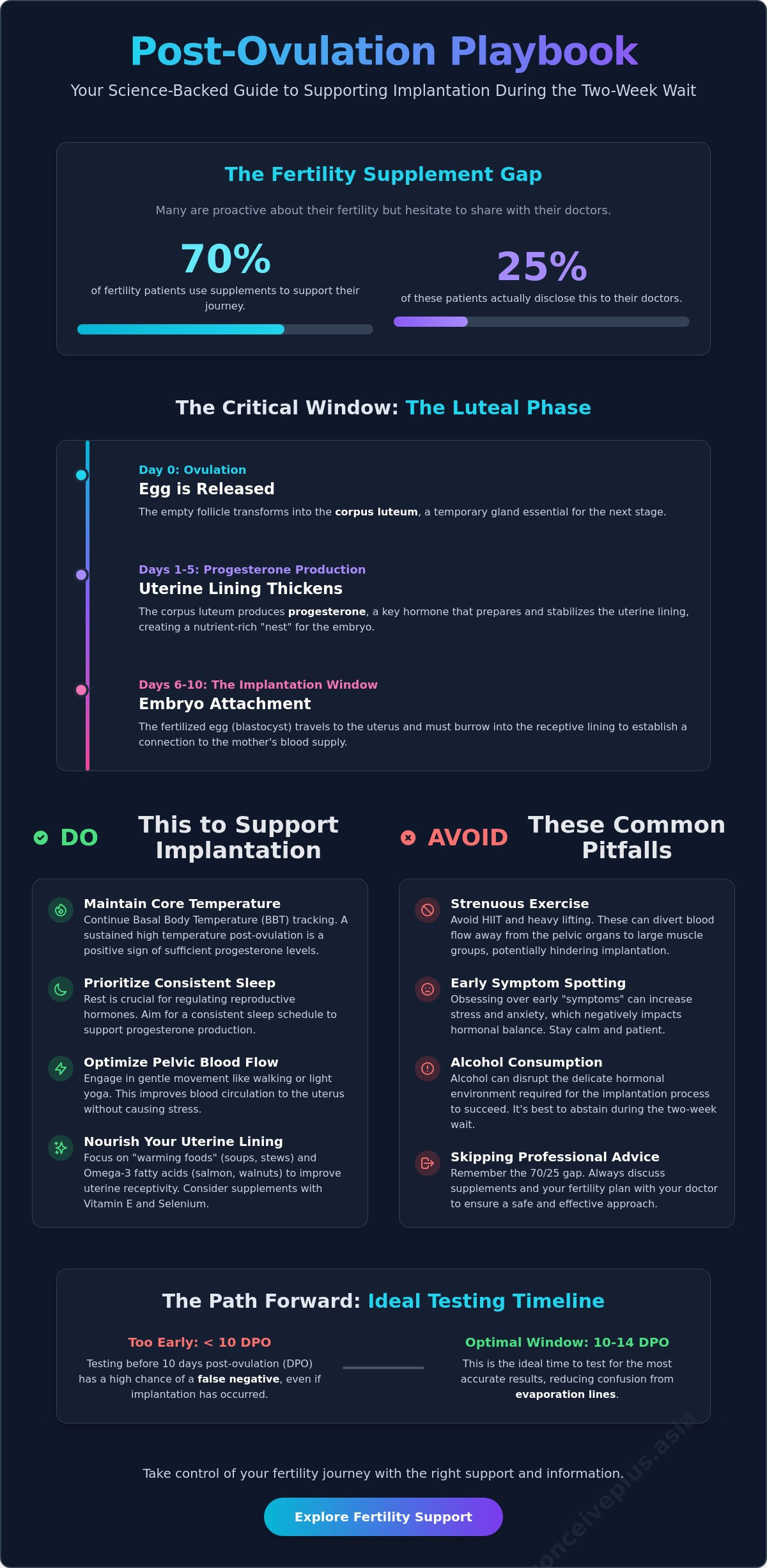
Did you know that 70% of fertility patients use supplements to support their journey, yet only 25% actually disclose this to their doctors? This gap often stems from a desperate search for control during the confusing days following peak fertility. If you're searching for what to do after ovulation to increase chances of pregnancy, you're likely looking for more than just hope. You need a concrete plan to transform the two-week wait from a period of passive anxiety into an active window for optimizing uterine receptivity.
We know how exhausting it is to second-guess every meal or workout while fearing you might ruin your chances. You shouldn't have to navigate this alone. This article delivers a science-backed checklist for 2026 to help you support implantation and balance your hormones naturally. We will cover essential lifestyle shifts, the impact of MTHFR gene variants on folic acid, and how new 2026 product releases, like Nature's Bounty Fertility Support, can help you create the ideal environment for a healthy pregnancy.
Key Takeaways
- Understand the vital role of the corpus luteum and progesterone in preparing your uterine lining for successful embryo implantation.
- Discover exactly what to do after ovulation to increase chances of pregnancy by maintaining a stable core temperature and a consistent sleep schedule.
- Learn how to optimize your diet with warming foods and omega-3 fatty acids to improve blood circulation to the reproductive organs.
- Identify common habits to avoid, such as early symptom spotting and alcohol consumption, which can disrupt the delicate implantation process.
- Master the ideal testing timeline to differentiate between true pregnancy results and confusing evaporation lines.
Understanding the Luteal Phase: The Science of the Two-Week Wait
The period following ovulation, known as the Luteal Phase, is the most critical window for conception. It begins the moment an egg is released and lasts until your next period starts. During this time, the empty follicle that once held your egg transforms into a temporary gland called the corpus luteum. This gland is responsible for pumping out progesterone, the hormone that acts as a biological anchor for a potential pregnancy. Understanding this internal shift is the first step in learning what to do after ovulation to increase chances of pregnancy.
A thick, nutrient-rich uterine lining is essential for a successful outcome. Without enough progesterone, the lining can become unstable, making it difficult for an embryo to attach. The implantation window usually occurs between 6 and 10 days after ovulation. This is the precise moment when the uterus is most receptive to receiving a fertilized egg. If you are tracking your cycle closely, using an ovulation calculator can help you pinpoint exactly when this vital window opens.
To better understand how this phase impacts your fertility, watch this helpful video:
The Role of Progesterone in Pregnancy
Progesterone is your body's primary tool for maintaining the "nest" inside your uterus. It stabilizes the lining, ensuring it doesn't shed prematurely. If fertilization doesn't occur, the corpus luteum stops producing this hormone, causing progesterone levels to crash. This drop is what triggers your period. Supporting this hormonal balance is the main objective of post-ovulation care. For those with MTHFR gene variants, which affect up to 40% of the population, ensuring your body can process the nutrients needed for hormone production is even more vital. New 2026 supplement options like Nature's Bounty Fertility Support are specifically designed with ingredients like selenium and vitamin E to help support these luteal functions.
What Happens During Implantation?
Once an egg is fertilized in the fallopian tube, it begins a slow journey toward the uterus. As it travels, it divides into multiple cells, eventually becoming a blastocyst. When it reaches the uterine cavity, a complex chemical dialogue begins between the embryo and the mother's tissue. This process requires significant blood flow and a stable environment. It's a delicate dance where the embryo must burrow into the lining to establish a connection to the mother's blood supply. When you focus on what to do after ovulation to increase chances of pregnancy, you're essentially providing the biological support needed for this delicate chemical exchange to succeed.
The Post-Ovulation Checklist: Daily Habits for Implantation Support
Once you've confirmed ovulation, the shift from tracking to waiting begins. This 14-day window doesn't have to be a period of passive observation. Instead, it's a time to cultivate habits that support your body's natural processes. If you're wondering what to do after ovulation to increase chances of pregnancy, start by establishing a rigid sleep schedule. Rest is when your body regulates reproductive hormones, and even minor disruptions can impact progesterone production. Pair this with continued basal body temperature (BBT) tracking. While BBT helps identify ovulation, maintaining a high temperature throughout the luteal phase confirms that your progesterone levels are sufficient to sustain the uterine lining.
Consistency is key during this wait. Many women find that using Conceive Plus bundles provides peace of mind, as these are formulated to ensure you're receiving the specific micronutrients required for early embryo development. Research from the Mayo Clinic on How to get pregnant emphasizes that overall health and lifestyle choices significantly influence conception rates. By focusing on daily micro-habits, you reduce the stress of the unknown.
Optimizing Pelvic Blood Flow
Your uterus requires a steady supply of oxygenated blood to build a receptive environment. While it's tempting to stay active, this isn't the time for high-intensity interval training or heavy lifting. Strenuous exercise can divert blood flow away from the pelvic organs to the large muscle groups. Focus on gentle movement like walking or light yoga. These activities encourage circulation to the reproductive system without stressing the body. If you're in the first few days post-ovulation, a gentle abdominal massage can also help, though you should stop this once you reach the expected implantation window (roughly 6-10 days DPO).
Temperature Regulation and Implantation
There's an old fertility adage: "warm feet, warm womb." While wearing socks won't magically cause implantation, the underlying principle of temperature regulation is sound. You must keep your core temperature stable. Avoid extreme heat sources like saunas, hot tubs, or very hot baths. High internal temperatures can interfere with early cell division and potentially disrupt the implantation process. Staying mindful of your body's environment is a key part of what to do after ovulation to increase chances of pregnancy. Hydration plays a role here too. Drinking enough water helps your body maintain internal thermoregulation, ensuring your environment remains steady for the blastocyst. For more personalized support during this journey, consider browsing the Conceive Plus blog for expert-led fertility tips.
Nutritional Strategies to Feed Your Uterine Lining
Your diet during the luteal phase should focus on one goal: creating a plush, receptive home for a potential embryo. While many focus on supplements, the foundation starts with what you eat daily. Focus on "warming" foods like slow-cooked stews, bone broths, and hearty soups. These choices are easier for your body to digest and help maintain a stable internal temperature, which supports pelvic circulation. When you're deciding what to do after ovulation to increase chances of pregnancy, remember that a cold, raw-food-heavy diet can sometimes cause the body to divert energy away from the reproductive system to maintain core heat.
Healthy fats are equally vital. Omega-3 fatty acids, found in walnuts and wild-caught salmon, help reduce systemic inflammation and promote blood flow to the uterine lining. You also need a steady supply of fiber from vegetables and whole grains. Fiber helps your liver process and eliminate excess estrogen, ensuring that progesterone remains the dominant hormone during the two-week wait. To ensure you're getting the right balance of these nutrients, Conceive Plus bundles are designed to provide the specific vitamins and minerals required for this phase.
Progesterone-Boosting Superfoods
Natural progesterone production relies heavily on specific micronutrients. Zinc and Vitamin B6 are the heavy hitters here. Zinc supports the corpus luteum, while B6 helps regulate your body's hormonal response. Incorporate magnesium-rich foods like pumpkin seeds and high-quality dark chocolate to help relax the uterine muscles. Vitamin C is another essential, as it has been shown to support the health of the corpus luteum. Complex carbohydrates, such as sweet potatoes or quinoa, are better than refined sugars because they keep your blood sugar stable. Following the American Society for Reproductive Medicine guidelines for a balanced, nutrient-dense diet is a proven way to optimize your natural fertility.
Hydration and Cervical Mucus
Hydration is often overlooked, but it's critical for a healthy uterine environment. Water helps maintain the thickness and quality of the uterine lining and ensures that nutrients reach the embryo. Limit your caffeine intake to 200mg or less per day; roughly one 12-ounce cup of coffee. High caffeine levels can constrict blood vessels and potentially reduce uterine blood flow. Instead, try herbal infusions like ginger or raspberry leaf tea. These can support circulation, but you should always consult your doctor before adding new herbal remedies to your routine. Staying hydrated is a simple yet effective part of what to do after ovulation to increase chances of pregnancy.
What to Avoid: Common Pitfalls in the Two-Week Wait
Success during the two-week wait is often about what you stop doing as much as what you start. While the urge to take action is strong, certain common habits can inadvertently hinder the implantation process. Alcohol is the first thing to cut. Since no level of alcohol consumption has been proven safe during the implantation window, it's best to abstain entirely. You should also be cautious with over-the-counter pain relief. Non-steroidal anti-inflammatory drugs (NSAIDs) like ibuprofen can interfere with the prostaglandins necessary for embryo attachment. If you're looking for what to do after ovulation to increase chances of pregnancy, switching to pregnancy-safe alternatives under medical guidance is a much safer path.
Psychological pitfalls are just as impactful as physical ones. Many women fall into the trap of "symptom spotting," where every cramp or twinge is analyzed as a sign of pregnancy. This habit usually leads to unnecessary stress and cortisol spikes. Testing for pregnancy before 12 to 14 days post-ovulation (DPO) is another common mistake. Early testing often results in false negatives because the body hasn't produced enough hCG yet. This can lead to an emotional rollercoaster that serves no biological benefit. To see how other women have navigated these hurdles, you can read real-life stories on the Conceive Plus reviews page.
The Cortisol Connection
When you're anxious, your body releases cortisol. High levels of this stress hormone can disrupt the delicate balance of progesterone and estrogen required for a healthy pregnancy. To keep your system calm, try these "TWW-friendly" techniques:
- Practice box breathing: Inhale for four seconds, hold for four, exhale for four, and hold for four.
- Engage in a low-stakes hobby like knitting or reading to distract the mind.
- Limit your time on pregnancy forums to 15 minutes a day to avoid comparison anxiety.
Reducing cortisol is a vital, non-physical way to support your body's receptivity. If you find yourself spiraling into "what if" scenarios, visit the Conceive Plus blog for articles on managing the mental load of the two-week wait.
Medications and Supplements to Re-evaluate
Statistics show that 70% of fertility patients use supplements, yet only 25% actually disclose this to their healthcare provider. This is a risky gap. Some herbal supplements that are helpful during the follicular phase can actually be counterproductive after ovulation. You must review your entire protocol with a doctor to ensure nothing interferes with your progesterone levels. However, this is the time to be diligent about your prenatal vitamin. Ensuring you have 400 to 800 micrograms of folic acid is essential for preventing neural tube defects. If you need a reliable source for high-quality support, explore our specialized fertility bundles to find a kit that matches your specific needs during this window.
The Path Forward: Testing Timelines and Next Steps
The final days of the luteal phase are often the most difficult. While it's tempting to test as soon as implantation might have occurred, waiting until at least 12 to 14 days post-ovulation (DPO) provides the most reliable data. Testing too early often leads to unnecessary heartache or confusion over faint lines. This patience is a critical part of what to do after ovulation to increase chances of pregnancy because it protects your mental health during a sensitive time. By waiting for your period to be officially late, you ensure that HCG levels are high enough for a standard home test to detect.
Understanding the difference between a faint positive and an evaporation line is key to avoiding false hope. A faint positive line usually appears within the test's specific time frame and has a distinct color, even if it's light. An evaporation line, however, appears after the test has dried and is typically colorless or grey. If you're unsure, wait 48 hours and test again. This allows your HCG levels to double, making the result much clearer and more definitive.
How to Read Early Pregnancy Tests
Human Chorionic Gonadotropin (HCG) is the hormone detected by pregnancy tests. It only begins to rise after the embryo has successfully implanted in the uterine lining. Because HCG levels typically double every 48 to 72 hours in early pregnancy, testing too soon might give a negative result even if you've conceived. Using your first morning urine is essential for early detection. This urine is the most concentrated, containing the highest levels of HCG. If you're feeling discouraged by the process, reading reviews from other couples who stayed persistent can provide the emotional boost you need to keep going.
Preparing for Your Next Cycle
If the result is negative this month, try to view it as data rather than a failure. Use the Conceive Plus Ovulation Calculator to map out your next window and refine your strategy. Cycle mapping helps you understand your body's unique rhythms, such as the length of your luteal phase and the timing of your peak fertility. This information is invaluable if you decide to consult a professional. The general rule is to seek help from a fertility specialist if you've been trying for 12 months if you're under 35, or 6 months if you're over 35.
Regardless of the outcome, celebrate the effort you've put into your health. You've learned exactly what to do after ovulation to increase chances of pregnancy by optimizing your nutrition, managing stress, and monitoring your hormones. Every step you take toward a healthier version of yourself is a win. Parenthood is a journey, and while the path isn't always linear, your dedication to understanding your body is your greatest asset. Keep moving forward with confidence and care.
Take the Next Step Toward Your Healthy Pregnancy
Mastering the two-week wait doesn't have to feel like a game of chance. By focusing on nutrient-dense warming foods, stabilizing your core temperature, and protecting your mental health from the anxiety of early testing, you're actively supporting the biological process of implantation. Understanding what to do after ovulation to increase chances of pregnancy turns a period of uncertainty into an intentional, science-backed strategy for success. You've now got the tools to optimize your uterine environment and manage your hormones naturally during this critical window.
To give your body the comprehensive support it needs, Shop Conceive Plus Fertility Bundles for Complete Cycle Support. Our products are scientifically formulated for couples trying to conceive and are trusted by millions of families in over 70 countries. With positive reviews from thousands of successful parents, we're here to help you move forward with confidence. Your dedication to your health is the first step toward the family you're building. Stay patient, stay positive, and trust the process you've set in motion.
Frequently Asked Questions
Can I have sex after ovulation when trying to conceive?
Yes, you can continue to have sex after your fertile window has closed. While it won't increase the chances of fertilization once the egg has dissolved, it doesn't harm the implantation process. Some research suggests that exposure to seminal fluid might actually support a more receptive immune environment in the uterus. It's a healthy way to stay connected with your partner during the stress of the wait.
How soon after ovulation does implantation occur?
Implantation usually occurs between 6 and 12 days after ovulation, with day 9 being the most common. The fertilized egg spends several days traveling through the fallopian tube while dividing into a blastocyst. Once it reaches the uterus, it must find a suitable spot to attach to the lining. This window is brief, making the health of your uterine environment during this specific week incredibly important.
Is it normal to have cramps after ovulation if I'm pregnant?
Mild cramping is a very common experience during the two-week wait and can be caused by several factors. It might result from the rise in progesterone, the physical act of the embryo attaching to the uterine wall, or even minor digestive shifts. Since these sensations often mimic early period symptoms, try not to over-analyze them. Cramping alone isn't a definitive sign of either pregnancy or a failed cycle.
Should I stop drinking coffee immediately after ovulation?
You don't have to quit coffee completely, but you should limit your intake to under 200mg per day. This is roughly the amount in one standard 12-ounce cup of brewed coffee. High levels of caffeine can constrict blood vessels, which might reduce the blood flow necessary for a thick uterine lining. If you're sensitive to caffeine, switching to herbal tea can help maintain steady energy levels without the jitters.
What are the early signs of successful implantation?
Early signs of successful implantation are often subtle and can include light spotting or increased breast sensitivity. However, many successful pregnancies begin with no symptoms at all. Part of knowing what to do after ovulation to increase chances of pregnancy is accepting that symptom spotting is unreliable. Your hormones are shifting rapidly, and most physical changes you feel are simply the result of high progesterone levels.
Can exercise prevent implantation from happening?
Strenuous, high-impact exercise won't necessarily prevent implantation, but it's best to stick to moderate activity. Intense workouts like heavy weightlifting or long-distance running can divert blood flow away from your reproductive organs to your muscles. Stick to gentle movements like walking, swimming, or restorative yoga. These activities support healthy pelvic circulation without putting your body under excessive physical stress during this delicate time.
How much water should I drink to help implantation?
You should aim for about 8 to 10 glasses of water a day to keep your body properly hydrated. Water is essential for maintaining blood volume, which ensures that your uterine lining receives the oxygen and nutrients it needs. Dehydration can lead to a decrease in the quality of your uterine environment. Staying hydrated is a simple, effective way to support your body's natural receptivity during the luteal phase.
What vitamins are best to take during the two-week wait?
The best vitamins for this window include folic acid, Vitamin B6, and Vitamin D. Folic acid is crucial for early neural tube development, while B6 helps support natural progesterone production. Vitamin D plays a role in uterine receptivity and immune balance. Taking these as part of a daily routine is a core part of what to do after ovulation to increase chances of pregnancy, ensuring your body is ready from day one.


